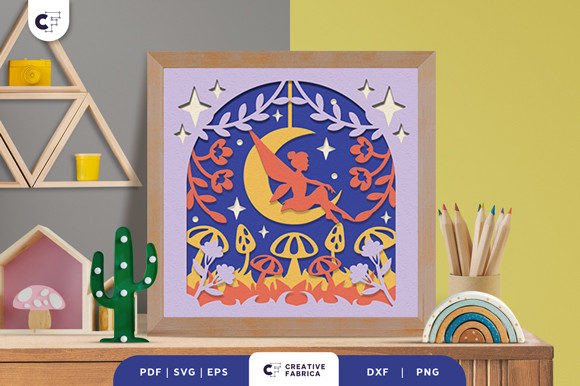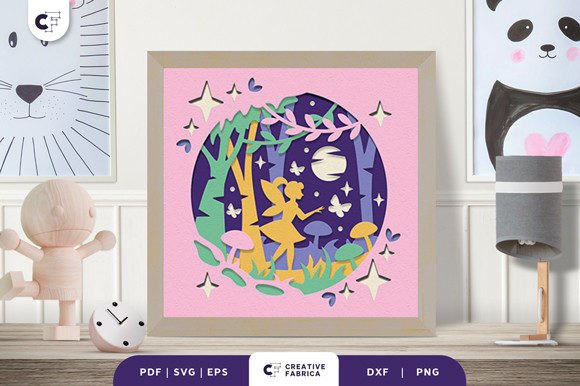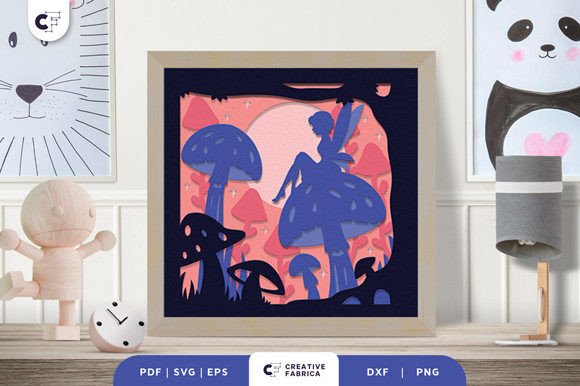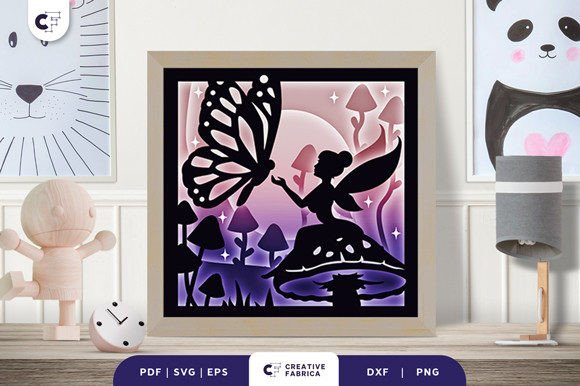
Fairy Butterfly 3D Light Box Paper Cut
When I first opened the file for Fairy Butterfly 3D Light Box Paper Cut, I didn't just see a collection of stitches; I saw a mood. As someone who has spent years evaluating embroidery designs for both personal hobby projects and high-volume commercial orders, my first reaction is usually about practicality. Can this actually be stitched? Will it hold up on a customer's favorite item? Does it translate well from a screen to fabric? This design immediately answered those questions with a resounding yes, provided you understand its unique aesthetic.
The theme falls squarely into the Fantasy And Fairy Tales category, but it brings a modern twist with its 3D SVG influence. The visual personality is airy, whimsical, and layered. It mimics the delicate artistry of paper cutting, which creates an illusion of depth that is rare in standard machine embroidery files. For a designer looking to add magic to a nursery collection or a boutique gift line, this isn't just a decoration; it is a statement piece that elevates the perceived value of the finished product.
From Screen to Stitch: A Real-World Scenario
To truly understand how Fairy Butterfly 3D Light Box Paper Cut performs, let me walk you through a recent project I tackled. I was approached by a small shop owner who wanted to create a limited edition line of custom tote bags for a local fairy-tale-themed book fair. She needed something that looked handcrafted and intricate without being so heavy that it made the canvas bag saggy.
I decided to test this design on a sturdy cotton canvas tote. The initial challenge was always balancing the "light box" concept—the idea that the butterfly should look like it is glowing or suspended in space—with the physical limitations of thread. When I ran the file, the stitch density felt appropriate. It wasn't overly dense, which meant the fabric could breathe, yet the satin stitches were tight enough to define the wings clearly. The result was stunning. The way the design catches the light on the textured canvas made the tote feel premium, exactly what an Etsy seller needs to justify a higher price point.
Imagine placing this same design on a soft, heather-gray sweatshirt. The contrast would be softer, perhaps better suited for a cozy home brand. Or consider a baby onesie. The fantasy theme is perfect for a nursery collection, but you must be careful with placement. On a small chest area, the details might get lost if the hoop size is too large, causing the design to stretch. However, on a larger item like a pillow cover or a kitchen towel, the full majesty of the butterfly can shine.
Navigating Fabric and Hoop Challenges
While the design is versatile, no single file works perfectly on every surface. My experience suggests that Fairy Butterfly 3D Light Box Paper Cut requires specific conditions to avoid common pitfalls. One of the most critical factors is fabric texture. If you attempt to stitch this on a highly textured boucle or a rough burlap, the fine lines of the paper-cut style will disappear into the weave. The design relies on smooth surfaces to maintain its crisp edges.
Stretchy fabrics present another hurdle. While a cap or a fitted t-shirt is a popular choice for many embroiderers, this particular design features delicate corners and thin lines that can distort when pulled over a curved surface like a hat brim. Unless you are using a specialized stabilizer system and have significant experience with curved stitching, I recommend sticking to flat items like aprons, tote bags, or pillow covers. If you do attempt it on a cap, ensure the hoop size matches the curvature of the hat precisely to prevent puckering.
Dark fabrics also require strategic planning. The "light box" effect implies brightness. If you stitch this directly onto black denim without a backing or underlay layer, the colors may look muddy rather than luminous. You might need to adjust your thread colors or add a white underlay to make the design pop. Always test the color combination before committing to a bulk order. A simple scrap fabric test can save you hours of rework and ruined inventory.
Elevating Brand Consistency and Customer Trust
In the world of handmade products and craft business, the quality of the embroidery speaks volumes about the brand. A sloppy stitch job or a design that looks distorted can erode customer trust instantly. Fairy Butterfly 3D Light Box Paper Cut offers a solution here because of its clean lines and professional layout. When executed correctly, it signals to the buyer that this is a thoughtful, high-quality item.
For digital product sellers creating printable mockups, this design is a goldmine. The fantasy theme allows for creative presentation. You can visualize it on a wedding invitation, a holiday gift tag, or a personalized apron for a chef. The versatility extends beyond just apparel; think of it as a design asset that can transform a plain tote bag into a collectible item. Customers are willing to pay more for items that tell a story, and this design tells one of wonder and magic.
However, remember that the design is only as good as the execution. If you are selling finished products, consistency is key. Every embroidered patch or custom apparel item must look identical. This requires strict adherence to your setup process. Do not guess on the stabilizer type. Use the proper stabilizer for your fabric weight to ensure the design sits flat and doesn't pucker. Check the thread colors against your fabric background to ensure maximum visibility.
Practical Designer Notes for Success
Before you hit the "stitch" button on your next big order, there are several steps you must take to ensure Fairy Butterfly 3D Light Box Paper Cut delivers the results you expect. First and foremost, always test the design on scrap fabric. This is non-negotiable. You need to verify the stitch density and ensure that the small details, such as the tips of the butterfly wings, are not too fragile for your machine's tension settings.
Review the file format and confirm the hoop size requirements. If the design instructions are vague, assume a medium-sized hoop and adjust accordingly. Inspect the small details in your digitizing software before starting. Are there any tiny elements that might break during the stitching process? If so, you may need to simplify them or change the stitch type. Running the design in black and white mockups can also help you visualize the contrast and balance without the distraction of color.
Don't forget to check the licensing terms. If you plan to sell finished items featuring this design, you must confirm whether the license allows for commercial use. Some digital embroidery files are for personal use only. Using a design commercially without the proper rights can lead to legal trouble and damage your reputation as a small business owner. Verify these details with the provider before you start producing merchandise.
Finally, consider the end-user. Is this a gift for a child? A decoration for a home? The context matters. A custom apparel piece might need to be durable enough for frequent washing, while a decorative accent on a wall hanging does not. Adjust your stabilizer and thread choices based on the intended lifespan of the product. By taking these precautions, you ensure that your finished product meets the high standards your customers expect.
In conclusion, Fairy Butterfly 3D Light Box Paper Cut is a powerful tool for any designer looking to infuse their work with fantasy and elegance. It bridges the gap between traditional embroidery and modern graphic design, offering a fresh look that stands out in a crowded market. Whether you are an experienced pro or a hobbyist looking to launch a new line, this design provides the foundation for beautiful, memorable projects. Just remember: preparation is the secret ingredient to success. Test, adjust, and then let your creativity soar.