Potted Succulent 3D Shadow Box Paper Cut Review
As a designer who has spent years testing embroidery files for everything from high-volume commercial runs to one-off boutique gifts, I know that the difference between a good project and a great one often lies in the initial file selection. Recently, I examined the Potted Succulent 3D Shadow Box Paper Cut, a design that promises to bring a touch of nature into personal spaces through a unique paper-cut aesthetic translated into stitches. My goal here is not just to describe what it looks like on screen, but to evaluate how this embroidery design holds up when transferred to fabric, stabilizer, and ultimately, a customer's hands.
First Impressions: The Mood and Visual Personality
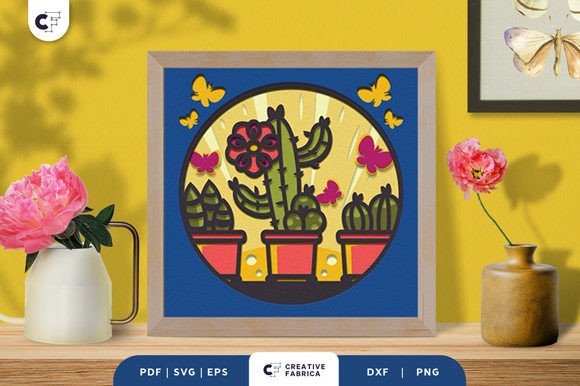
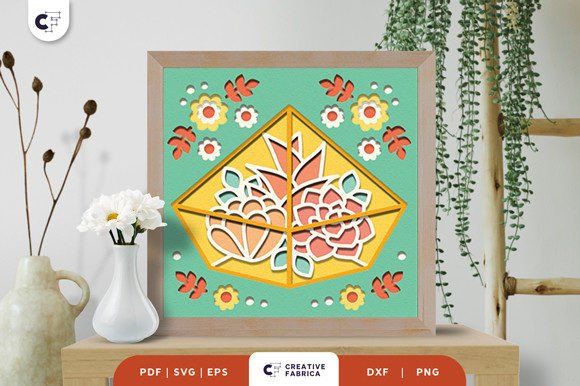
The moment you open the file for the Potted Succulent 3D Shadow Box Paper Cut, the distinct "shadow box" concept becomes apparent. Unlike standard floral motifs that lay flat against the garment, this piece is designed with depth. It mimics the look of layered paper cutouts sitting inside a frame, filled with various succulent flowers. For an embroidery designer, this suggests a reliance on specific stitch types to create that dimensional effect. The layout feels curated and elegant, leaning heavily towards a modern farmhouse or bohemian chic vibe.
The visual personality is calm yet detailed. It does not scream for attention; instead, it invites closer inspection. This makes it an ideal candidate for products where subtlety is key. The theme fits perfectly within the Cacti And Succulents category, offering a fresh alternative to traditional botanical prints. When viewed as a 3D SVG preview, the layers suggest a complex stitching process that could result in a premium-looking finished product, provided the execution is precise.
A Real-World Scenario: The Custom Tote Bag Project
To truly test the viability of the Potted Succulent 3D Shadow Box Paper Cut, I imagined a real-life scenario: creating a custom embroidered tote bag for a local botanical garden shop. The client wanted something that felt artisanal and durable, suitable for carrying gardening tools or organic produce.
Placing this design on a heavy canvas tote requires careful consideration. The shadow box element needs a stable background to pop without distorting the fabric. If executed correctly, the layered succulents would create a tactile experience that customers love to touch. However, if the hoop size is too small for the detail level, the edges of the terrarium frame might wobble. In this context, the design serves as a strong brand asset. It elevates a simple canvas bag into a boutique product that justifies a higher price point. The elegance of the succulent arrangement translates well to the neutral tones of canvas, making it a versatile choice for custom apparel and accessories alike.
Performance Across Different Projects
This embroidery file shows promise across a wide range of applications, but its success depends entirely on the substrate. For sweatshirt embroidery, the soft fleece provides a forgiving surface that can handle the density of the fill stitches required for the leaves. Similarly, on baby clothes, the rounded shapes of the succulents are gentle and non-threatening, making it a safe bet for nursery decor or personalized gift items.
I also envision this design working beautifully on kitchen towels and aprons. The terrarium motif pairs naturally with cooking and baking themes, adding a splash of green to a functional item. For commercial embroidery projects aimed at Etsy sellers, this design offers a high perceived value. A well-stitched version of the Potted Succulent 3D Shadow Box Paper Cut looks professional and ready for market. It fits seamlessly into collections of handmade products that emphasize natural elements and craftsmanship.
However, not every application is equal. While it shines on structured fabrics, it may struggle on highly textured materials like chunky knits or rough burlap unless specific stabilizers are used. On stretchy fabrics like jersey, the tension of the satin stitches needed for the frame could cause puckering, requiring a firm tear-away stabilizer and perhaps a temporary spray adhesive to keep the layers flat during stitching.
Where Caution is Required
Even the most beautiful designs have their limitations. When working with the Potted Succulent 3D Shadow Box Paper Cut, there are specific areas where a designer must exercise caution. Small hoop sizes are a primary concern. If the design includes intricate details in the corners of the shadow box, a tight hoop might distort the geometry, making the frame look uneven.
Dark fabrics present another challenge. To ensure the colors of the succulents stand out, you will need to select thread colors with high contrast. Without proper color planning, the design can get lost against a black or navy background. Additionally, curved surfaces like caps or hats require a specific approach. While the design might look stunning on a flat pillow cover, transferring it to the curved crown of a cap demands careful digitizing adjustments to account for the fabric's curvature. If the stitch density is too high, the fabric might pucker, ruining the clean lines of the paper-cut effect.
Products that undergo frequent washing, such as daily wear t-shirts or work aprons, also need scrutiny. Dense stitch areas can trap lint and dirt over time, affecting the longevity of the finished product. Always consider the end-user's lifestyle before committing to a design for mass production.
Design Notes for the Professional Creator
If you are planning to use the Potted Succulent 3D Shadow Box Paper Cut in your craft business or for personal gifts, follow these practical steps to ensure success. First, always test the design on scrap fabric that matches your final project material. This allows you to check the thread color contrast and observe how the stitch density interacts with the fabric texture.
Review the stitch types closely. You will likely encounter a mix of satin stitch for the outlines and fill stitch for the leaves. Ensure that the transition between these stitches is smooth to avoid gaps or overlaps that look messy. Confirm your hoop size is adequate to accommodate the entire design without cutting off any critical details. Inspect the small details, particularly the inner layers of the succulents, to ensure they are large enough to be stitched clearly.
It is also wise to test the design in black and white mockups. This helps visualize the contrast and depth without the distraction of color. Compare light and dark fabric backgrounds to determine which yields the best visual appeal. Use the proper stabilizer for your fabric type; a cut-away stabilizer is often best for maintaining the structure of a shadow box design on heavier materials.
Finally, before selling finished items or digital products, confirm the licensing terms associated with the file. Ensure you have the rights to use the design for commercial embroidery projects. Understanding the legal boundaries protects your small shop product line and ensures you are operating ethically as a creative entrepreneur.
Final Thoughts on Value and Appeal
The Potted Succulent 3D Shadow Box Paper Cut is more than just a pretty image; it is a tool for creating meaningful, high-quality goods. When executed well, it enhances brand consistency and boosts buyer engagement by offering a unique aesthetic that stands out in a crowded marketplace. Whether you are an Etsy seller looking to expand your catalog or a hobbyist crafting a personalized gift, this design offers a solid foundation for a professional result. By paying attention to fabric choice, stabilizer support, and stitch quality, you can transform this digital asset into a tangible piece of art that brings the elegance of nature to life.