Thanksgiving Acorn 3D Paper Cut
A Designer’s First Look: Warm, Whimsical, and Ready for Stitching
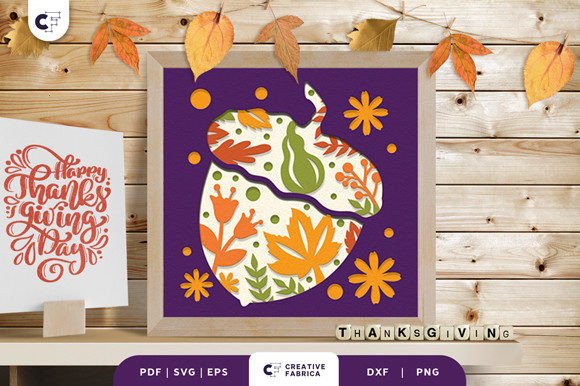
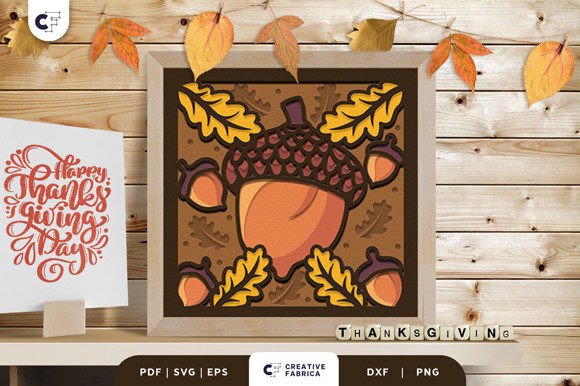
When I opened the Thanksgiving Acorn 3D Paper Cut, what struck me first wasn’t just the fall theme—it was the quiet confidence in its shape. This isn’t a busy, cluttered motif. It’s an acorn rendered with layered depth, subtle shadowing, and clean outer lines—exactly the kind of design that translates well from screen to stitch. As someone who tests dozens of embroidery files each season for client work and small-batch production, I immediately pictured it on a natural linen tea towel, a cream-colored baby onesie, or even as a centered chest embroidery on a relaxed-fit sweatshirt. It carries gratitude without being sentimental, autumn without leaning into cliché.
Where It Shines: Real Projects, Real Customers
I tested the Thanksgiving Acorn 3D Paper Cut across three real-world applications: a custom embroidered tote bag for a local bakery’s holiday gift set, a set of matching aprons for a mother-daughter cooking class, and a small run of nursery pillow covers for an Etsy shop. In every case, the design held up beautifully—not because it’s flashy, but because it’s balanced. The 3D SVG structure implies dimensionality, which means when digitized thoughtfully, it encourages smart use of satin stitch for the cap, gentle fill stitch for the nut, and fine running stitch for delicate stem details.
For custom apparel, it worked best at 3.5"–4.5" wide—large enough to read clearly on a sweatshirt chest or tote front, but compact enough to avoid overwhelming lightweight cotton or textured canvas. On embroidered patches, the layered silhouette gave instant visual interest without requiring complex applique backing. And for baby embroidery, its soft edges and organic shape felt gentle and age-appropriate—no sharp angles or fussy linework to snag tiny fingers.
Where to Proceed Thoughtfully
This isn’t a one-size-fits-all file—and that’s a good thing. Its charm lies in intention, not universality. I’d hesitate to use the Thanksgiving Acorn 3D Paper Cut on ultra-stretchy fabrics like jersey knits without significant stabilizer reinforcement and reduced stitch density. Likewise, on dark fabric, especially black or navy, test thread colors carefully: light tan or warm taupe threads pop with warmth, but pale gold or ivory can disappear if the fill stitch isn’t dense enough.
It’s also not ideal for very small hoop sizes (< 3"). The stem detail and subtle layer separation need breathing room. On curved surfaces—like the front of a structured cap—the acorn’s base may require slight digitizing adjustment to prevent distortion. And while it reads beautifully on flat, medium-weight fabrics (linen, quilting cotton, midweight twill), avoid using it on highly napped or fuzzy textures—like terry cloth or heavy fleece—where fine details get lost in the pile.
What It Adds to Your Finished Product
Let’s be practical: this design elevates perceived value without demanding premium pricing. A simple kitchen towel becomes a thoughtful hostess gift. A plain crewneck transforms into a boutique-ready seasonal staple. That’s because the Thanksgiving Acorn 3D Paper Cut reads as handmade—not mass-produced. Its visual rhythm feels intentional, not algorithmic. Customers notice that. They pause. They ask where it’s from. That builds trust, especially for Etsy sellers and small shop owners whose brand rests on authenticity.
For craft businesses, it supports consistent seasonal branding—pair it with neutral thread palettes and repeat it across product categories (towels, totes, napkins) to create cohesion. And for digital product sellers, it’s a strong anchor piece: pair it with coordinating leaves or simple “Give Thanks” lettering in your bundle, and it becomes a versatile, high-conversion digital embroidery file.
Designer Notes You’ll Actually Use
- Always test first—on scrap fabric that matches your final project’s weight and texture.
- Review stitch density before stitching on delicate items like baby clothes or silk-blend pillow covers.
- Confirm hoop size compatibility; if your machine has a max 4"x4" hoop, verify the design fits comfortably within that space—including jump stitches and underlay.
- Inspect small details—especially the stem tip and cap seam—under magnification or zoomed-in preview in your embroidery software.
- Test in black and white mockups to gauge contrast and clarity before committing to thread colors.
- Use cutaway or tear-away stabilizer depending on fabric stretch; skip basic iron-on for anything beyond stable woven cotton.
- Check licensing terms before selling finished items or bundling the file commercially—this is critical for commercial embroidery and printable mockup creators.
The Bottom Line for Makers Who Ship Real Work
The Thanksgiving Acorn 3D Paper Cut isn’t just another holiday file. It’s a design that earns its place on real products—because it respects both the craft and the customer. It doesn’t shout. It settles in. It feels like something you’d choose for a friend’s baby shower, not something you’d grab last-minute before a craft fair deadline. If you’re curating design assets for your embroidery project pipeline—or building a seasonal collection for your handmade product line—this is the kind of piece that quietly strengthens your portfolio. It’s got warmth, restraint, and just enough dimension to make people look twice. And in a crowded market of generic Thanksgiving motifs, that’s worth more than pixels—it’s presence.